How Much Does a Meal Cost in China? Managing Expenses
Eating out in China is cheap if you avoid tourist outposts. Here is what breakfast, lunch, dinner, snacks, and drinks actually cost, and how to find the authentic, low-priced places.
 Selina Chen 陈丽明 EN ⇄ 中文 · Travel guide
 A well-planned trip to China should always include money for meals. A lot of hotels offer in-house restaurants, but most of the time you won’t get the full experience of Cantonese delight in those places. You would be amazed at how cheap it is to eat outside and away from tourist outposts. Not only do you taste authentic Chinese cuisine, but you also save money. So if you are wondering just how much a meal costs in China, here we break it down for you.
Food Prices in China
Let’s break down the averages for context. Food prices in China are still low by Western standards. Eat where locals eat and a full meal runs about ¥20 to ¥50, roughly $3 to $7. Breakfast is ¥5 to ¥12 ($0.75 to $1.75), and a hearty lunch or dinner sits at ¥20 to ¥50 at a family restaurant. Dinner runs around the same cost or a bit more if you choose to drink liquor with your food, something a lot of people do when they eat out after work. We are not talking about light servings either. A full breakfast usually includes noodles, soup, meat, and eggs. Lunches typically include chicken, duck, chestnuts, garlic, and local vegetables, as well as rice. As mentioned, the cost of food in China is low, but tourist areas can increase the price of these dishes three to six times their actual value.
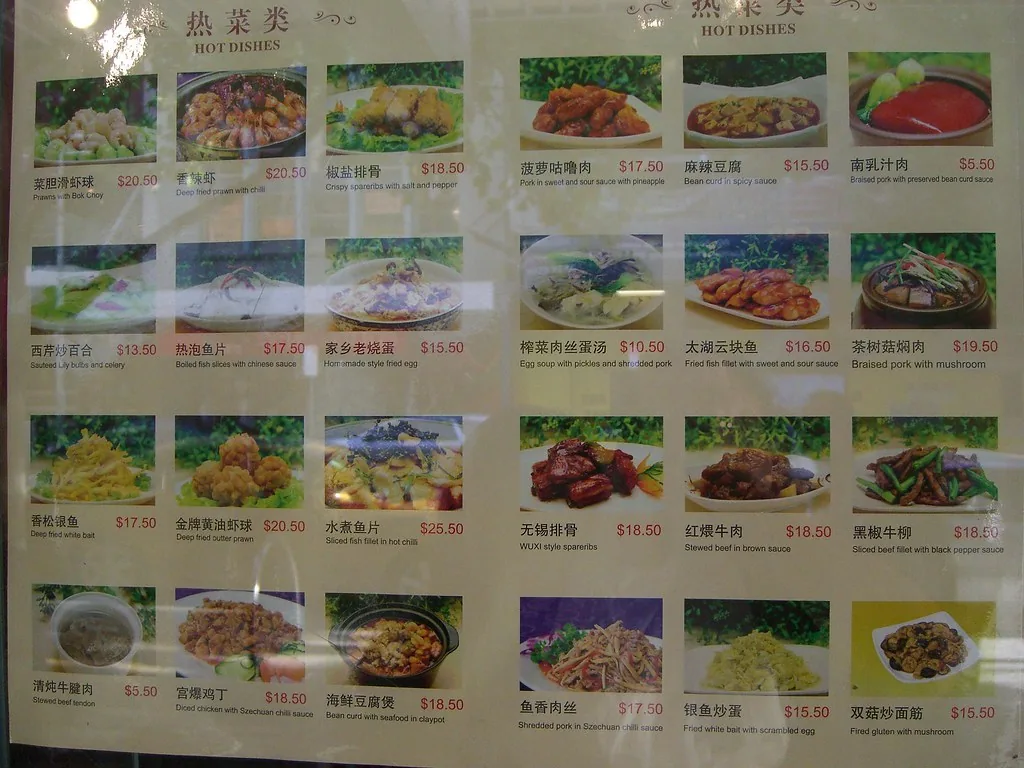
One of the most significant price inconsistencies reported on sites like TripAdvisor happens in places such as Guangzhou, Beijing, or Shanghai, where tourists report that dishes served outside tourist outposts are much cheaper. One patron reported a dinner for two costing ¥300 (about $44) at his hotel, while the same meal with fresher ingredients was only ¥40 ($6) at a place 20 minutes away. It takes some time, patience, and learning, but you can taste the authentic flavors of the country if you know what and where to look for. Naturally, first-tier cities like Beijing and Shanghai have more expensive food. Other cities, such as the restaurants in Xiamen, can often be cheaper if you eat local. Expect to pay high prices for Western-style food no matter what city you visit.
The Overall Cost of Eating in China
This guide is meant to give you some perspective on how much money to expect to spend on meals if you try different places aside from the usual tourist spots. Keep in mind that in regular restaurants the food is much fresher than in tourist outposts, they usually cook for you instantly since they don’t have freezers to keep pre-cooked meals to reheat. Most travelers avoid eating pre-cooked meals.
Breakfasts in China
You can expect to spend from ¥5 to ¥12 ($0.75 to $1.75). Some of the most traditional breakfast dishes are noodles, dumplings, rice congee, and steamed buns. A bowl of noodles with a serving of steamed buns will run you about ¥8 to ¥10. There are cheaper options such as dough sticks with soy milk, or rice porridge, around ¥3 to ¥5. You can go with a Western breakfast in the mainland, although we wouldn’t understand why you’d choose to eat the same things you can have at home. Most bakery options, bread, cakes, yogurt, milk, run at least ¥10. A full Western set breakfast, including eggs, bacon, or pancakes, costs ¥30 to ¥40 ($4.50 to $6) at a café. A regular cup of coffee runs ¥7 for instant options, ¥10 to ¥25 at a Luckin, and ¥25 to ¥45 at Starbucks.
Lunch, Dinner, or Supper
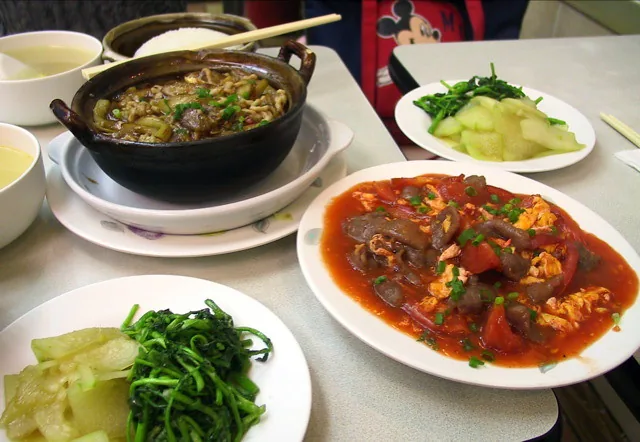
A hearty local meal runs ¥20 to ¥50 ($3 to $7), and a mid-range sit-down dinner ¥50 to ¥100 ($7 to $15) per person. The most basic dish contains rice or noodles, since both are the main food staples. Most people prefer a serving of noodles or rice with additional plates on the side, often combining ingredients such as beef, chicken, duck, or fish. There is also the option of hotpot, a very popular dish that combines many ingredients customized by the cooks. A small family restaurant charges around ¥30 for a well-made pot, while a mid-range hotpot for the table runs ¥50 to ¥100 per head. Upscale restaurants start at ¥100 to ¥300 ($15 to $44) per person and climb from there.
Snacks (Salty or Sweet)
You can find a lot of snacks in China at really good prices. There is almost a vending machine at every corner in tourist areas, plus corner stalls usually packed with people. Some tourist locations have snack streets, such as Ghost Street in Beijing or the City God Temple Street in Shanghai. It’s easy to find pre-packaged stuff, as well as natural offerings like Chinese toffee apples and sugar-coated haws. From sour flavors to stinky tofu treats, there’s a lot to please your taste buds. The average price for a snack varies from ¥2 to ¥10 ($0.30 to $1.50).
Drinks
The overall cost of any drink in China is at least half the price you’d pay in Western regions. The least expensive bottle of mineral water costs about ¥2 for a 500 ml bottle. A bottle of soda with the same content costs about ¥4 to ¥5. A can or bottle of beer runs ¥5 to ¥10, under a dollar and a half. Milk tea and fresh juice sit at ¥5 to ¥15. China has a knack for offering processed drinks in flavors that range from the usual to the outright bizarre, mostly costing ¥5 to ¥15. A cup of coffee usually costs between ¥7 and ¥40 depending on where you buy.
Western Fast Food
You can find a lot of Western fast-food franchises across China. KFC, McDonald’s, and Burger King have many establishments in big cities such as Guangzhou, Beijing, and Shanghai. The price of a regular meal is not so different from its American counterpart, with the most expensive combo averaging ¥40 ($6) including the main dish plus fries and a drink.
Chinese “Fast Food”
The Chinese have their own fast-food options, more centered on traditional dishes cooked and served instantly at roadside locations. These joints are usually packed at rush hours when employees are on their lunch break. While the offerings may seem nutritious because they contain vegetables and traditional ingredients, they are regarded as the counterpart of a Western hot dog stand, meaning it’s not the best option to eat too frequently. ¥10 to ¥20 ($1.50 to $3) will get you a lot of food in these places.
How much does a meal cost in China by city tier
The honest answer to how much does a meal cost in China depends on where you eat and which city you are in. Here is the practical breakdown, from a stall skewer to a private room.
- Street food and snacks: ¥5 to ¥15 ($0.70 to $2) per item. Skewers, baozi, jianbing, a bowl of noodles pulled at a stall. The cheapest real food in the country, and often the best.
- Casual local restaurant: ¥20 to ¥50 ($3 to $7) for a full meal. Rice or noodles plus a couple of shared dishes at a family-run place.
- Mid-range restaurant: ¥50 to ¥100 ($7 to $15) per person. A proper sit-down dinner, hotpot for the table, a few beers.
- Upscale restaurant: ¥100 to ¥300 ($15 to $44) per person, climbing to ¥200 to ¥800 for a serious dinner with imported ingredients or a private room.
City tier moves every one of those numbers. Beijing, Shanghai, Shenzhen, and Guangzhou run roughly 20 to 35 percent higher than tier-2 and tier-3 cities like Xi’an or Chengdu. A casual meal that costs ¥20 to ¥30 in a smaller city is ¥25 to ¥40 in a first-tier one, and a stall skewer that is ¥5 upcountry sits closer to ¥10 in central Beijing. Train stations and airports add ¥5 to ¥10 to almost anything, and tourist outposts still mark the same dish up three to six times.
Is it Rude to Tip in China?
If you are wondering whether it is rude to tip in Chinese restaurants, it is not necessary at all, since the cost of service is included in the price of the dishes. On the mainland, tipping is not common and not recommended. Some say Chinese people may be offended by tipping, but mostly they’ll just be confused by it. However, in cities like Hong Kong and Macau, tipping is more common and accepted more freely. Hopefully you now have a clearer picture of how much a meal costs in China and are more prepared to know how much money to budget for your trip.
Quick answers.
How much does an average meal cost in China?
Is it rude to tip in China?
How much should I budget for food per day in China?
How do I order at a local restaurant if I do not speak Mandarin?
Your dates. My quote.
Twelve hours.
Send your cities, dates and product list. You'll get a fixed written quote, no obligation, no deposit to ask.
superinterpreter · selina@mychinainterpreter.com · Xiamen, China · UTC+8