How Much is a Cup of Coffee in China?
A cup of coffee in China runs about ¥7 in an instant shop, roughly ¥15 to ¥30 at Luckin, and around ¥40 at Starbucks. Here is what to expect, where to buy, and how China's coffee culture works.
 Selina Chen 陈丽明 EN ⇄ 中文 · Travel guide
 If you’re a tourist or expat wondering “how much is a cup of coffee in China?”, in an instant shop or fast-food restaurant a cup goes for about ¥7, at Luckin Coffee it is usually ¥15 to ¥30 (as little as ¥9.9, about $1.35, with an app coupon), and at Starbucks it runs about ¥40. Prices are higher or lower depending on what tier of city you are in. Big cities in China like Beijing or Shanghai have higher costs. Prices are generally affordable and are one reason coffee consumption in China has skyrocketed over the last several years. Coffee drinking is a recent trend that many Chinese, especially millennials, have taken up, with consumption rising mostly in urban areas as the go-to beverage for a quick fix any time of day.

Where to Buy The Best Coffee in China
Have you ever wondered where you can get the best coffee in China? As a tourist or foreigner, you’ll be surprised that Chinese people drink tea more than coffee. The Chinese tea culture dates back thousands of years, and in most households people start their day with tea, especially in rural areas. But if you are an avid coffee drinker, here are some recommendations:
- Luckin Coffee (more than 30,000 stores across China, now bigger than Starbucks here and built around app ordering)
- Starbucks (around 8,000 locations, still the sit-down option most Westerners recognize)
- McDonald’s, KFC, or other fast-food restaurants serve coffee throughout the day
- Many small local cafés will usually serve coffee
Coffee In China
In the beginning, there was uncertainty about whether China would adopt coffee-drinking culture, as it was viewed as Western. Thanks to Starbucks and later Luckin, that has changed. In major cities, instant coffee is widely sold, and most consumers are young, trendy, working professionals. Consumption has climbed sharply in the cities over the past decade, and the chains are racing to keep up: Luckin alone now runs more than 30,000 outlets across the country. In most rural areas, many people are still unfamiliar with coffee, as consumption stays centralized in the big urban centers. The Chinese coffee market has become one of the fastest-growing anywhere for international chains and growers alike.
Can I Drink Coffee in China?
In China, especially in urban areas, you’ll find plenty of multinational coffee shops and cafés. Most coffee is drunk on the go, especially during the morning rush hour, and is increasingly seen as the perfect alternative to tea. The development of coffee culture is viewed as a blend of Westernization and local Chinese culture; in many restaurants you’ll find menus with cherry blossom lattes and red bean lattes, symbolizing the acceptance of coffee into Chinese culture.
Is it Safe to Drink Coffee in China?
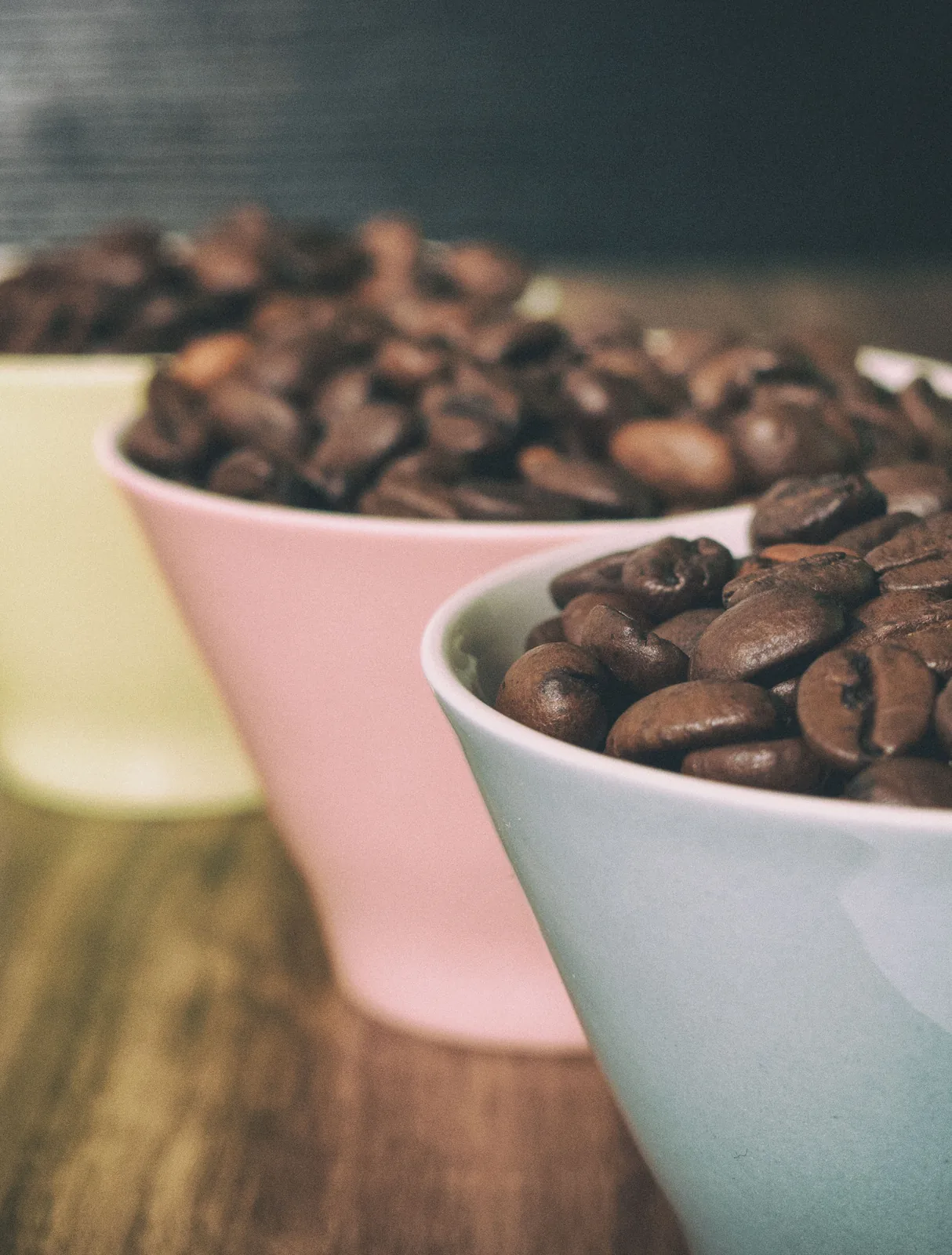
China has some of the strictest food-safety regulations in Asia, so it’s completely safe to enjoy your cup of coffee. The only difference is that Chinese people prefer their drinks warm or hot, as it’s believed to be better for digestion. There are many established cafés and coffee conglomerates that source beans from the richest, most fertile parts of the world. For visitors, you should familiarize yourself with the local language or have an interpreter with you who can help you order coffee to suit your taste.
Where China’s Coffee Is Grown
Most of the coffee China grows itself comes from one place: the southern province of Yunnan, which accounts for more than 98% of the country’s coffee crop. The bulk of that is around Pu’er, where the high-altitude arabica has started drawing attention from specialty roasters abroad. So while the cup in your hand in Shanghai may well be an imported blend, a growing share of what the country drinks is home-grown.
Reasons Why The Chinese Coffee Market Matters
As the economy keeps growing, Chinese consumers are more willing to explore new products, coffee among them. Per-capita consumption is still low by Western standards, but it has been rising fast in the cities for years, and the middle class driving that shift already runs into the hundreds of millions. There is a lot of room left to grow as more people move into urban routines where a morning coffee is normal.
For buyers Looking to import Yunnan beans or private-label coffee? Vet the supplier and inspect the goods before you wire a deposit. Our product sourcing service handles the factory visit and the paperwork so you are not trusting a WeChat catalog.Cultural Differences To Be Aware of as a Visitor
Most Westerners are used to solo coffee runs. If you are in China, or visiting for the first time, note some cultural differences. In China, it’s customary never to drink alone; it’s always advisable to drink with a group of friends. If you’re traveling with family, grab a coffee with them, or invite a friend.
Conclusion
Hopefully you now understand how much a cup of coffee in China costs and know where to buy one. There are plenty of coffee shops and cafés that brew some of the best beans in the world, so you’ll be spoiled for choice.
Quick answers.
How much is a cup of coffee in China?
Is Starbucks expensive in China?
Is coffee popular in China?
How do I order coffee in China without speaking Mandarin?
Your dates. My quote.
Twelve hours.
Send your cities, dates and product list. You'll get a fixed written quote, no obligation, no deposit to ask.
superinterpreter · selina@mychinainterpreter.com · Xiamen, China · UTC+8