What Not to Eat in China - Food Safety Tips
China is a paradise for food lovers, but a few items are best avoided. Here is what not to eat in China, practical food safety tips to help you enjoy your meals without getting sick.
 Selina Chen 陈丽明 EN ⇄ 中文 · Travel guide
 Is Food in China Healthy?
China is a paradise for those looking to try as many flavors as they can, it is often called the food capital of the world. With so many different kinds of dishes available, you could eat for a whole year without repeating the same meal. The country is ripe with options to taste new dishes in each province, especially since every place has its own take and seasonings.
There are a lot of restaurants in China, especially in the big cities, and while most of them go through a lot of effort to get fresh ingredients, others take the easy route and could cause health issues for their patrons. This is not uncommon. While some businesses thrive with steady clientele, others struggle to stay afloat and need to make up for it by cutting costs and making their food in questionable ways. In general, you will find a lot of the food is healthy, but there have been plenty of food safety incidents over the years.
Is the Food in China Safe?
A thorough search will reveal that there are a lot of food safety issues that have haunted the mainland for a very long time. Many people are unaware of the seriousness of this situation, especially tourists. Most of them will face some form of stomach trouble on their visit because they have not done their homework on how to avoid food poisoning in China. After all, tourism is one of the reasons the country has an uplifting economy. We have gathered a compilation of the foods you may want to avoid when you visit, at least for the sake of your health.
What Foods Do Chinese People Avoid?
If you are wondering what foods Chinese people avoid most to prevent any problems or sickness, you do not need to guess about what not to eat in China anymore. We have gathered some of the least popular foods in a single list. Take a moment to read on.
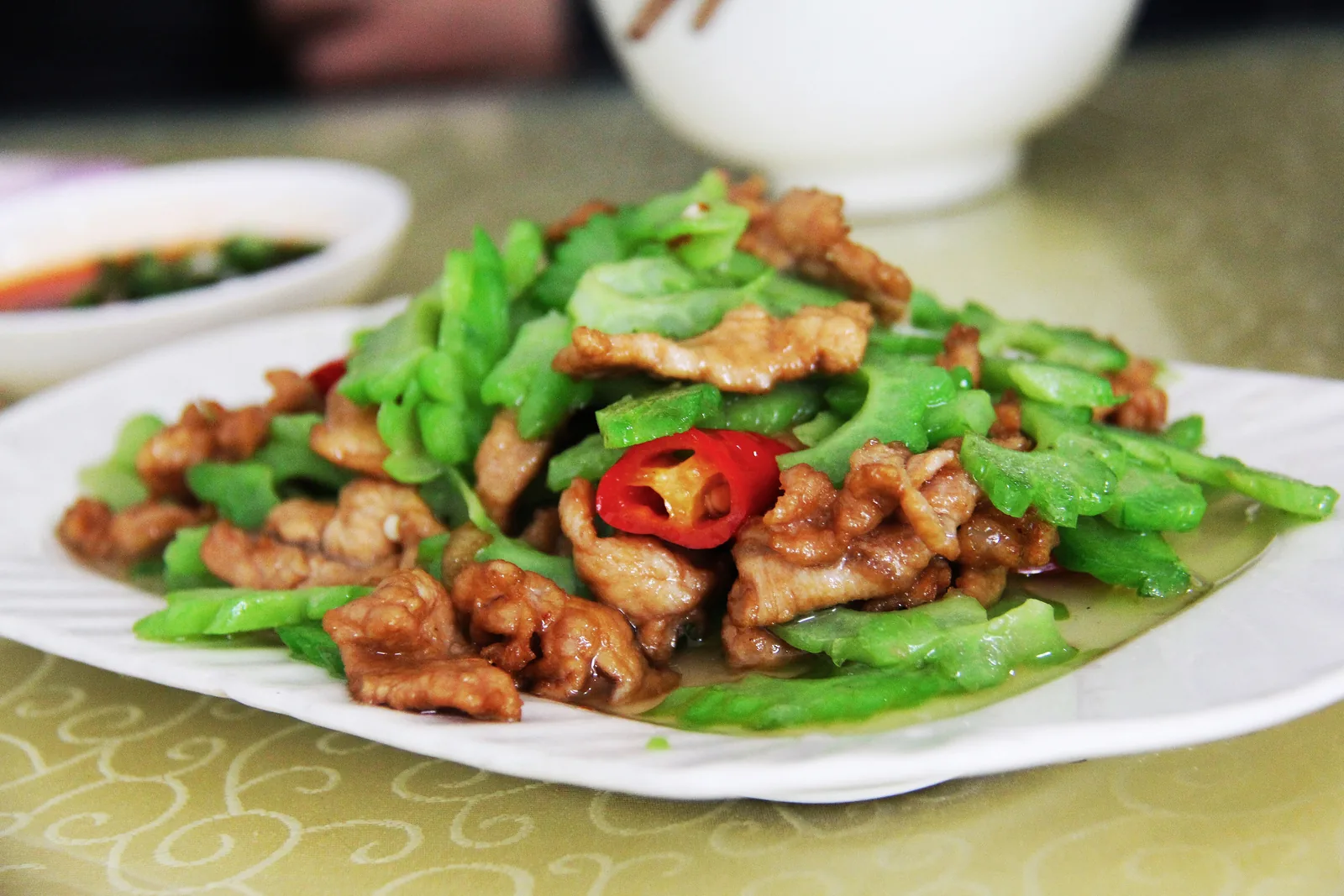
1. Green Vegetables
The basic rule on how to avoid food poisoning in China is to be careful with mass-produced vegetables. You might wonder how a nation that uses so many greens in nearly 90% of its meals has to be cautious about mass-produced vegetables. The hard fact is that a lot of the produce in the mainland is heavily covered with pesticides. Many people think these can be easily washed off, but one of the most commonly used pesticides in China is organic phosphorus, which is not water soluble at all. It sticks to the leaves of vegetables like oil and is hard to wash off, and the roots of some plants can absorb it. The best option is to hunt down an organic seller, but those are few in China. Make sure you buy from a reputable outlet.
2. Dairy Products
One of the best things you can do for your health is to be careful with dairy products in the mainland. If you must drink milk, make sure you are being offered pure, fresh milk. Be wary of ultra-high-temperature processed products (UHT). The high-temperature processing kills bacteria, but it also takes away nutrients, and many Chinese dairy factories add a lot of preservatives, artificial flavors, and thickening agents to make these products taste better. A lot of these products have labels in English since they are aimed at international markets. Avoid anything that lists milk powder or reconstituted milk in the ingredients, as these are considered substandard even by Chinese standards.
3. Live Fish
If you are looking to buy fresh fish or seafood, be careful about buying live fish at open markets. The best option here is to purchase fresh-frozen. People in the mainland think that live fish is the freshest option because it offers the notion of being recently caught. The truth is that live fish will only stay fresh for eight hours or less. If you are buying fish in a city that is not close to the sea, that product has probably already endured a long time in transport before reaching the market. A lot of vendors use Malachite Green, a dye used for industrial procedures, to keep the fish looking fresh and to make them live a bit longer in a tank. This product is inexpensive, but it is highly toxic, so it is best to avoid it.
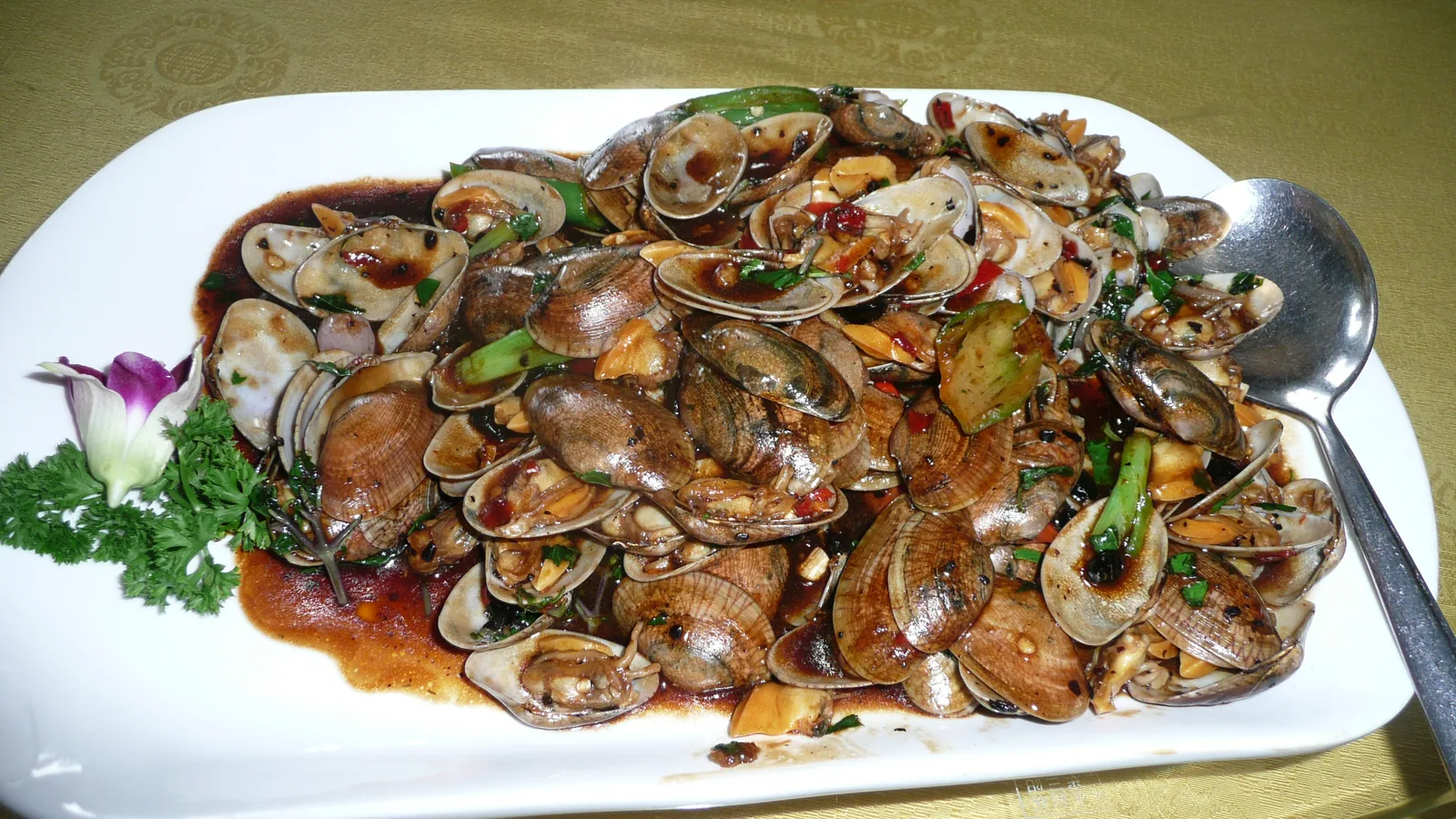
4. Shellfish and Clams
This one has a red flag on top of it. Shellfish and clams are a tricky endeavor in China. They are mostly caught in rivers, and sadly most of these natural venues are truly polluted. You will find a lot of metals riverside, such as nickel, mercury, and chromium, all contributing to the pollution problem. Since shellfish eat plankton and microorganisms floating in the water or living in the mud, chances are they are contaminated or have metal deposits in them. A lot of vendors will tell you that boiling them at the highest temperatures will make them clean, but almost no restaurants boil them before serving, they just pan-cook or stir-fry them.
5. Frogs and Eels
Some of the most exotic offerings in Chinese cuisine have highly unregulated industries behind them. Frogs and finless eels are examples. They used to be regarded as delicacies by everyone, and became so popular that demand was high. The problem is that frogs eat a lot of greens, including the same vegetables we just told you to be careful about. Overeating them could upset your system. As for eels, there have been reports that many farmers feed these animals contraceptives to accelerate their growth, which can cause health trouble in the long run.
6. Frozen Dumplings
There are a lot of fried treats sold at supermarkets in China. One of the most inviting is the ever-popular dumpling offered in most restaurants. Be careful with the packaged ones, even from a prestigious brand. Most of the time, these vendors are offering pre-fried, repackaged products that are already expired or have a very close expiry date. They are also very high in sodium.
7. Smoked Foods
The main issue with smoked meals in China is that many are full of nitrates, which are dangerous if consumed too frequently. Most of these smoked goods are also processed meats with a very high calorie count and a lot of artificial coloring to make them look good. The problem with these cuts in the mainland is compounded by the many brands offering the same type of products.
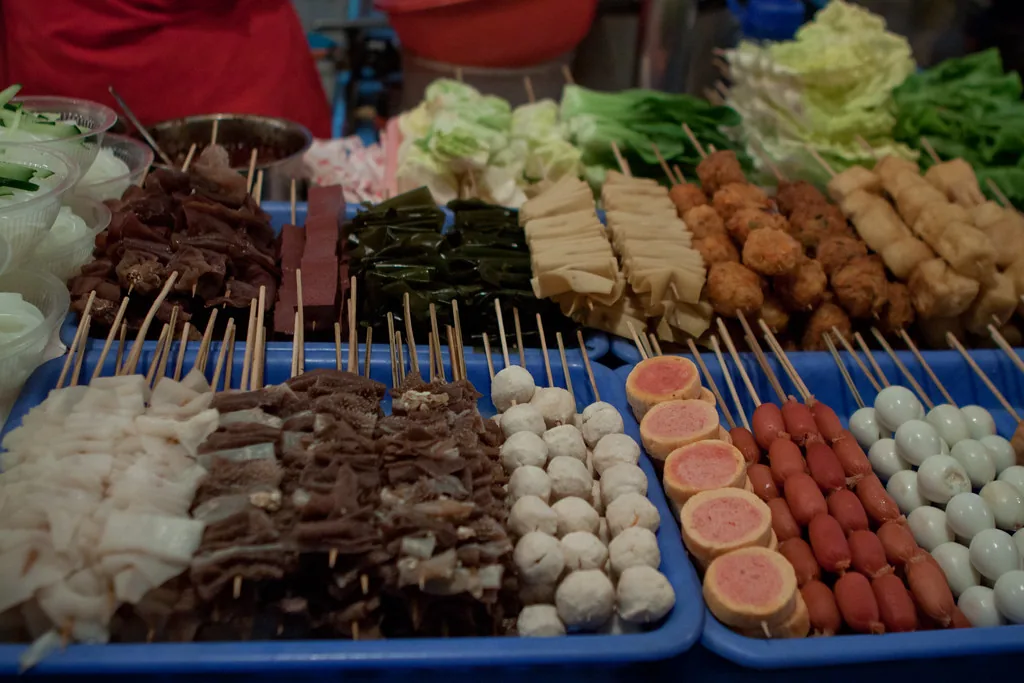
8. Prepared Meals at Roadside Street Vendors
The ever-increasing demands of daily life in Chinese society have made some traditional vendors a health hazard. Many used to take time to pick the best ingredients and sell great meals at low prices, but increasing competition and rising ingredient costs have led some to cut corners, such as buying gutter oil for cooking, recycled oil collected from other restaurants, grease traps, and other unsafe sources.
China Food Safety Conclusion
Most of the food you encounter on your trip across the country will, in fact, be safe, but taking precautions is always important. Now that you know what not to eat in China when visiting for your first time, you can enjoy your meals without worry. With so many delicious dishes to choose from, do not be afraid to try new foods. Every city offers unique specialties you will not want to miss. Stay safe and enjoy your travels.
Quick answers.
Is the food in China safe?
What foods do Chinese people avoid?
Your dates. My quote.
Twelve hours.
Send your cities, dates and product list. You'll get a fixed written quote, no obligation, no deposit to ask.
superinterpreter · selina@mychinainterpreter.com · Xiamen, China · UTC+8