How to Avoid Getting Sick in China: Stay Healthy
Most travel illness in China is avoidable with good hygiene. Here is how to avoid getting sick in China, from drinking water and street food to vaccinations and medical care.
 Selina Chen 陈丽明 EN ⇄ 中文 · Travel guide
 Traveling to China can be a little tricky. The country is full of amazing locations and great places to enjoy a meal, but keeping your health intact as you go through your trip can be a challenge. Most issues can be avoided as long as you take care of your personal hygiene. Before you begin your journey, you’ll want to know how to avoid getting sick in China. Many tourists encounter sickness and culture shock within the first couple of weeks. You’ll need to mind what you eat, when you eat, and where you eat. Since the country spans a wide latitude, some regions have strong seasonal changes, so dress accordingly if you travel to specific areas. Having a sleep schedule helps a lot, and hydration plays a pivotal role in your health as well.

The Most Common Health Risks in China
When you travel to China, you aren’t exposed to anything more exotic than you would be in any other foreign location. Most risks come from conventional sources such as eating something your stomach can’t handle or wearing inadequate clothing for specific weather. You can also face overexertion and exhaustion, since a walk in China can take a few hours to get somewhere, and there is the risk of altitude sickness in some areas. To avoid these issues, take the following precautions.
Be Careful When You Drink the Water
Let’s be clear: the only place where you can drink the tap water is Hong Kong. That’s the only location with a functional public water system delivering potable water on demand. No matter where you are on the mainland, the best thing for your health is to drink bottled water everywhere you go, even in safe places such as hotels or restaurants. If you are staying in your own residence, either buy all the water you consume or boil tap water for at least 20 minutes to kill bacteria.
Take Some Precautions with the Food
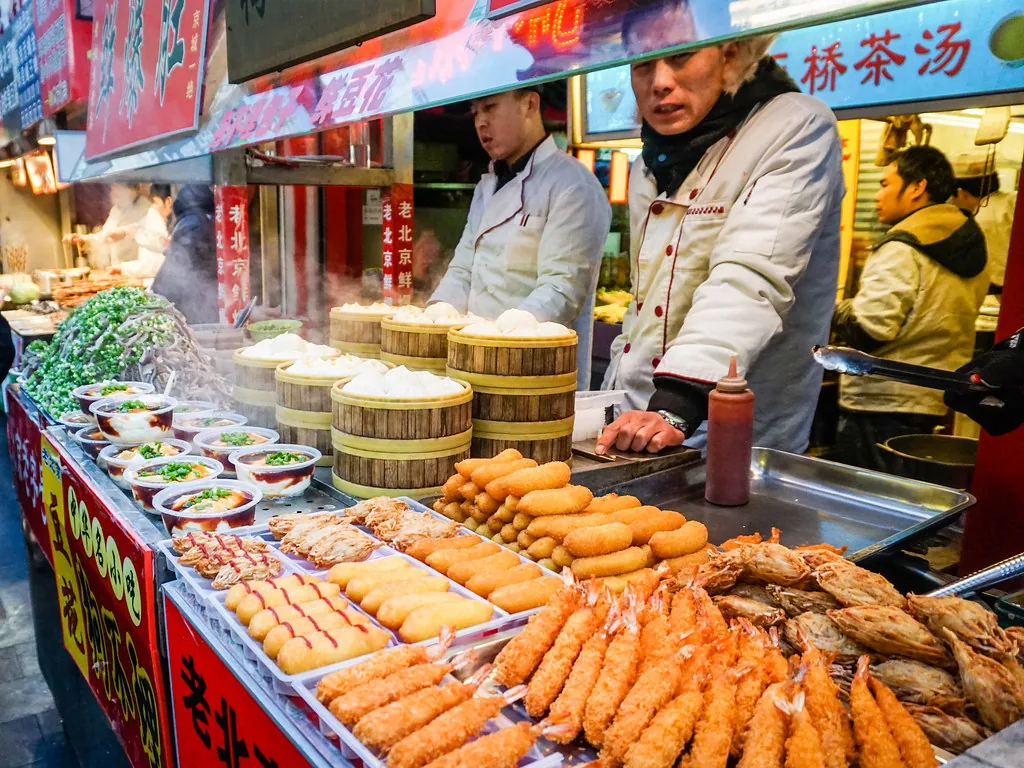
Street vendors are the bread and butter of every Chinese street; their offerings are very diverse and often inviting. There are many delicious dishes to try, but you need to know which foods not to eat. The problem is that not all vendors follow the necessary sanitary conditions, and the office tasked with regulating them isn’t always strict about enforcement. If you want a steady diet, don’t go for the products offered by these vendors, your stomach may not handle it. If you have experience with food-truck meals back home, you may try a couple of places after making sure they’re sanitary enough. Understanding what kind of food you are eating is the best way to avoid getting sick in China.
Follow Some Basic Preventive Measures
Some of these apply if you have a weak constitution or a record of allergies or adverse reactions to outside elements. Try to avoid contact with animals such as cats, dogs, or monkeys to prevent rabies. Try not to swim in fresh water unless it’s a chlorinated pool, to avoid schistosomiasis infection. It should go without saying, but avoid sharing needles with anyone, and if you happen to have sex with a local, make sure to use a condom.
Vaccinations and Other Medical Suggestions
Some places in China require foreign visitors to check their vaccinations before planning a trip. A quick visit to your doctor before the trip should tell you what you need. You can also check the websites of the regional governments in China and look at their health-advice section for travelers. The average list asks visitors to take the following shots four to six weeks before arriving:
- Hepatitis A, or an immune globulin
- Hepatitis B if you expect to be exposed to blood, have sexual contact with locals, are getting medical treatment on the mainland, or are staying longer than six months
- Rabies, if you are visiting regions where you might be exposed to wild animals
- Malaria precautions for visitors going to the extreme south of China, the Southeast Asian border, or Hainan Island
Dealing with Medicines in China
China customs allow you to bring medicine in your luggage if it’s for personal use and not for sale. You can bring over-the-counter antidiarrheal medication if you have a delicate stomach, as well as products such as ibuprofen, Advil, Motrin, and other mild pain relievers for headaches or muscle aches. If you have a severe medical condition that requires ongoing treatment, make sure to bring your medical records with you along with your medication.
Medical Care in China for Foreigners
- All the major cities in China have hospitals, and while most reach international standards, quite a few can offer only the most basic care.
- There is an ambulance service via the emergency number #120. These vehicles only carry the ill person to a hospital; they are not equipped to treat injuries or prepare patients for the emergency room.
- If you need to stay in the hospital after an emergency, you’ll be asked to pay a deposit before treatment. Have your insurance information at hand.
- If you have to stay overnight, you’ll need someone to take care of you, since hospital nursing care is limited to medical treatment.
- Hospitals provide no food during your stay, so you’ll need to provide that as well.
We hope these facts and tips help you better understand how to avoid getting sick in China on any future trip, especially if you have delicate health.
Your dates. My quote.
Twelve hours.
Send your cities, dates and product list. You'll get a fixed written quote, no obligation, no deposit to ask.
superinterpreter · selina@mychinainterpreter.com · Xiamen, China · UTC+8